When booking a flight with a connection, you may come across terms like layover, stopover, and open-jaw flights. Although they all involve traveling through more than one flight segment, they describe different things: how long you stop between flights or how your overall route is arranged. This guide will help you understand these terms quickly, so you can choose the right itinerary, avoid booking mistakes, and prepare for baggage, visa, and travel requirements.
In this article
Layover vs Stopover vs Open-Jaw: What’s the Difference?
Here’s a quick comparison of the three terms:
Term
Meaning
Main difference
Layover
A connection between two flights on the same journey
Usually up to 24 hours on international trips
Stopover
A planned stop in a city between your origin and final destination
Usually more than 24 hours on international trips
Open-jaw
Flying into one city and departing from a different one
You arrange your own transport between the two cities
The 24-hour distinction is a common airline convention for international itineraries, but exact definitions can vary by airline and fare rules.
These terms can affect how your ticket is priced and handled. However, whether you need to pass through immigration or collect your bags depends on your route, airline, ticket, and nationality.
What Are Layover Flights?
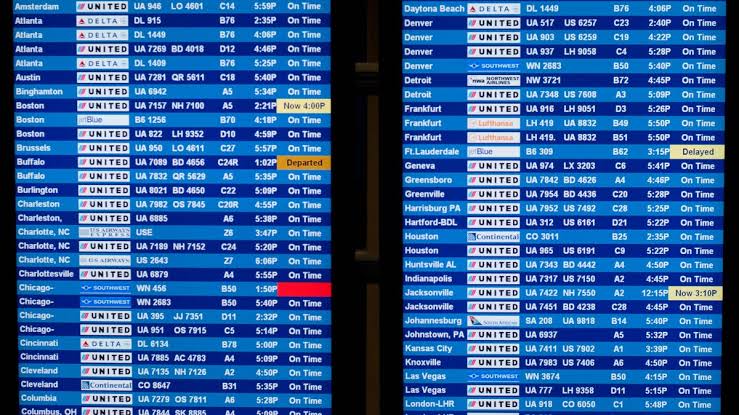
A layover is the time you spend at an airport between two flights on the same journey. On international itineraries, it is usually up to 24 hours. Some domestic markets use a shorter cutoff; in North America, for example, it is around four hours. “Connection” and “layover” mean almost the same thing.
The 24-hour distinction comes from how airlines classify stops. For example, Delta’s international contract of carriage defines a stopover based on whether you are scheduled to leave a connecting point within 24 hours of arriving. Airlines do not all word their rules the same way, so check the fare rules if your connection is close to the cutoff.
A layover is the time spending between two flights on the same journey
What Happens to Your Luggage During a Layover?
It depends on whether your flights are booked on one ticket or separate tickets:
Separate tickets: You may need to collect your bags and check them in again. If your first flight is delayed and you miss the second, the next airline may not be responsible for arranging another flight. Google Flights warns that separate or “self-transfer” tickets can involve additional baggage and connection risks.
Always check your baggage arrangements and connection protection before booking, especially when using self-transfer itineraries.
What Happens When Connecting Through the US?
When flying into the US from abroad, you generally go through US immigration and customs at your first US airport, unless you have already cleared US preclearance before departure.
This usually means collecting your checked bags and dropping them off again for your connecting flight, even if both flights are on one ticket. Some preclearance and special baggage arrangements are exceptions, so follow your airline’s instructions.
Can You Leave the Airport During a Layover?
Sometimes, but it depends on your nationality, the country you connect through, and how much time you have. Leaving the airport means passing through immigration, so you need whatever entry permission that country requires. Some travelers may even need a transit visa when staying airside without leaving the international transit area.
Before leaving the airport, check:
Entry requirements: Do you need a transit visa, visitor visa, or electronic travel authorization (ETA)?
Transit arrangements: Can you pass through immigration, or must you remain airside?
Time available: Will you have enough time to leave, explore, return, and clear security?
Airport location: How long does it take to travel between the airport and city center?
Airside vs. Landside Transit: What Is the Difference?
The UK shows how transit rules work. The UK government distinguishes between airside transit, where you do not pass through UK border control, and landside transit, where you go through border control before continuing your journey.
Depending on your nationality and circumstances, you may need a Direct Airside Transit visa just to change planes. If you pass through border control and leave within 48 hours, you may need a Visitor in Transit visa instead. Some travelers can transit using a valid electronic travel authorization (ETA). Check the UK transit visa requirements before traveling.
The Schengen area has similar rules. According to the European Commission’s visa policy, nationals of certain countries need an airport transit visa even when staying in the international, non-Schengen part of an airport.
The UK and Schengen examples illustrate why you should check the rules for your specific nationality and transit airport. These requirements can change, so verify them again before departure.
Even when you are allowed to leave the airport, make sure you have enough time to get through immigration, travel to and from the city, and clear security again before boarding. A connection that involves changing terminals leaves even less time.
What Are Stopover Flights?
A stopover is a planned stop in a city between your origin and final destination, usually lasting more than 24 hours on international trips. It lets you spend a few hours or days exploring another place before continuing your journey.
Unlike a short layover, a stopover may give you enough time to leave the airport and visit the city. However, you still need to check the country’s entry requirements for your nationality before booking.
A stopover is a planned stop in a city between your origin and final destination
Why Choose a Stopover?
A stopover lets you visit another city during the same overall trip without booking an entirely separate holiday.
For example, you could:
Spend two days exploring Lisbon before continuing to your final destination.
Visit Reykjavik during a longer journey with Icelandair.
Break up a long international journey with a few days in an intermediate city.
Some airlines offer stopover programs that encourage travelers to explore their hub cities. Icelandair’s Iceland stopover and TAP Air Portugal’s Portugal Stopover are two examples. Terms, eligibility, and benefits can change, so check each airline’s website for current conditions when booking.
What About Your Bags and Visa During a Stopover?
If your stopover lasts several days, check whether your bags are checked through to your final destination or need to be collected at the stopover city.
You should also confirm the country’s entry requirements before booking. For longer stays, you may need a regular visitor visa or another type of entry permission.
If you use separate tickets, you take on the risk of a missed connection and may need to collect and recheck your bags yourself.
How to Book a Stopover Flight
To book a stopover yourself, use the multi-city search on the airline’s website or a tool such as Google Flights, and enter each flight leg separately.
Search results can mix single tickets with combinations of separate tickets, so confirm which type of booking you are buying before paying.
What Are Open-Jaw Flights?
An open-jaw trip is a return-style itinerary with a gap in it: you fly into one city and depart from a different one. For example, you might fly into Rome and return home from Paris. You cover the gap yourself by train, bus, car, or a separate flight.
Because you do not need to return to your arrival airport, open-jaw itineraries are useful for trips through several cities.
Example of an Open-Jaw Trip
Imagine you are planning a trip through Europe:
Rome → Paris → Home
Fly into Rome.
Travel from Rome to Paris by train, bus, or another form of transport.
Fly home from Paris instead of returning to Rome.
<caption>Rome and Paris are separate flight destinations. You arrange your own transport between them.</caption>
Open-jaw itineraries can take different forms. You may arrive in one destination city and depart from another, start and end your trip in different cities in your home country, or combine both arrangements.
How to Book an Open-Jaw Flight
Use the multi-city search option on an airline’s website or a flight comparison tool. Enter your outbound and return flights with their respective cities.
It is worth comparing the multi-city fare with two separate one-way tickets. Just remember that two one-way tickets are separate bookings, so if your first flight is delayed and you miss the second, you may have to arrange a new flight yourself.
Before booking, avoid these two common mistakes:
Booking the flights without planning how you will travel between the two cities.
Checking the entry requirements for the first country but not the second.
Plan the middle part of your trip and check the entry rules for both destinations before you lock in your flights.
What Mobile Data Do You Need for Each Type of Trip?
Your mobile data needs depend on where you travel and whether you plan to leave the airport, not simply whether your ticket is a layover, stopover, or open-jaw itinerary.
If you stay inside the airport during a short layover, you may not need mobile data at all, or you can use airport Wi-Fi where available. However, if your itinerary includes a stopover or an open-jaw route, you may need Internet access in multiple cities or countries, especially if you plan to explore during the trip.
Which eSIM Should You Choose?
Your choice depends on how many destinations you plan to visit:
Traveling through one country: A local eSIM may be enough if you only need mobile data in that destination.
Visiting multiple countries: A regional or global eSIM can help you stay connected without switching plans at every destination.
Before buying, check that every country on your route appears in the plan’s coverage list, including your stopover destination. Also check when the plan’s validity starts. Some travel eSIMs start their validity period when you install the eSIM, while others start when the eSIM first connects to a supported network at your destination. Learn more about when eSIM validity starts.
If your plan starts at installation, consider installing it close to the day you arrive so you do not lose days during an earlier stop. For more tips on staying connected while traveling, see our guide to using an eSIM during long-haul flights and layovers.
Understanding the difference between a layover, stopover, and open-jaw itinerary helps you choose flights that fit your travel plans. Before booking, check your connection arrangements, entry requirements, and baggage handling. If your route includes a stopover or open jaw, also plan how you will travel between cities and make sure you have the connectivity you need along the way.
The best travel apps for Cambodia help you arrange airport transfers, book tuk-tuks, pay by QR code, buy attraction tickets and navigate unfamiliar cities. For most tourists, a few essential apps are enough, but some local services require a Cambodian phone number or bank account. This guide covers the most useful Cambodia travel apps, what […]
Japan travel apps can make trains, payments and menus far easier, but only if they work on the phone and card you bring from home. For most visitors, start with Google Maps for routes, Google Translate for signs and menus, and a Suica payment option for trains and buses. iPhone users can add Suica to […]
BTS brings the ARIRANG World Tour to Kaohsiung, Taiwan, on November 19, 21 and 22, 2026, at Kaohsiung National Stadium, also known as the World Games Stadium. To enter, you need your concert ticket and original photo ID matching the ticket holder’s name. International attendees should bring their original passport. The stadium is an 800-meter […]
If you need your laptop online abroad, you don’t have to depend on hotel or café Wi-Fi. Install a travel eSIM on your phone, choose a plan that allows hotspot or tethering, and share the connection with your laptop over Wi-Fi, USB or Bluetooth. Two things decide how well this works: hotspot support depends on […]
Travel eSIM plans typically offer limited validity periods, often around 30 days, and many providers require QR codes to be installed within a set period after purchase. So, can you use an eSIM for more than 30 days and stay connected on a 60- or 90-day trip without wasting data or losing connectivity? This guide […]
Using mobile data wisely while travelling starts with understanding where your data goes. Apps can consume data even when you are not actively using them, through automatically playing videos, background photo backups, and app updates. This guide explains how to monitor and reduce your data usage while traveling, identify data-hungry apps, and adjust your settings […]